
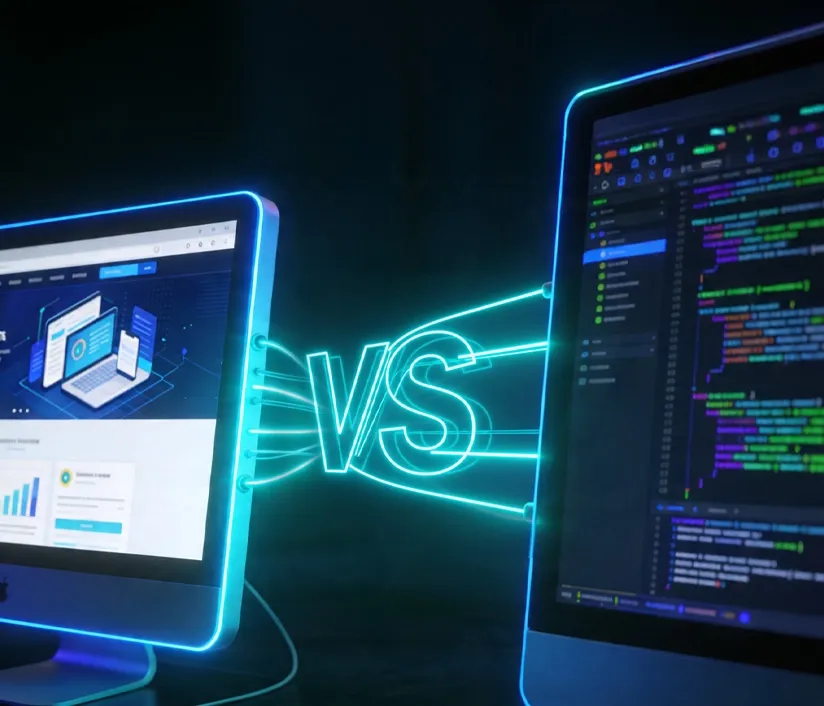


What is Frontend and Backend
In today's digital landscape, understanding frontend and backend is essential for anyone involved in web app development or software development. Whether you are planning a business website or exploring a career as a software developer, knowing how these two components function will help you make informed decisions.
So, what is frontend and backend?
The frontend refers to the part of a website or application that users see and interact with. This includes everything from layout and design to buttons, menus, and animations. On the other hand, the backend handles the processes behind the scenes, such as data storage, server logic, and system operations.
If you are asking what is backend and frontend, the simplest way to understand it is:
Frontend is the visible interface
Backend is the hidden engine powering the application
Both parts form a complete frontend backend system. Without one, the other cannot function effectively. For example, a login page may look polished on the frontend, but without backend logic to verify user credentials, it serves no real purpose.
Frontend Development Meaning Explained
The frontend development meaning revolves around creating the visual and interactive side of a digital product. It focuses on how users experience a website or application.
A frontend developer is responsible for ensuring that:
Pages load correctly across devices
Navigation is simple and intuitive
Design elements are consistent
User interactions feel smooth and responsive
Typical frontend tasks include:
Building layouts using structured code
Styling elements for visual consistency
Adding interactivity such as dropdowns and forms
Optimising performance for faster load times
Many beginners often ask, html is frontend or backend. HTML is a frontend language because it structures the content displayed in the browser. It defines elements like headings, text, and images.
Another common question is javascript is frontend or backend. JavaScript is unique because it can be used for both. In the browser, it enhances interactivity on the frontend. On the server, it can power backend systems through environments like Node.js.
You may also wonder, angular is frontend or backend. Angular is a frontend framework used to build dynamic and structured user interfaces. It is widely adopted in modern applications due to its ability to manage complex user interactions.
For example, Mozilla Developer Network has played a major role in documenting how HTML, CSS, and JavaScript should be used in modern browsers, helping developers standardise frontend practices across different platforms.
Together, these tools form the foundation of frontend and backend languages, with frontend technologies focusing primarily on user experience.

What Does a Backend Developer Do
While the frontend handles what users see, the backend ensures everything works correctly behind the scenes. A backend developer plays a crucial role in building reliable and secure systems.
Backend responsibilities typically include:
Managing servers and databases
Writing application logic
Handling user authentication
Ensuring data security and integrity
When users perform actions such as logging in, making a purchase, or submitting a form, the backend processes these requests and returns the appropriate results.
In the context of backend and frontend languages, backend developers use tools designed for handling logic and data. These may include server-side frameworks, databases, and APIs that connect different parts of an application.
A frequently asked question is java is backend or frontend. Java is primarily used for backend development. It is known for its stability and scalability, making it suitable for enterprise systems and large-scale applications.
The backend is essential for ensuring that applications not only function correctly but also handle large volumes of users efficiently.
Key Difference Between Frontend and Backend
Understanding the difference between frontend and backend helps clarify how digital products are built and maintained.
The main distinctions can be explained through their roles:
First, their purpose differs. The frontend focuses on delivering a seamless user experience, while the backend focuses on processing data and executing logic.
Second, visibility sets them apart. The frontend is what users interact with directly, whereas the backend operates in the background.
Third, the technologies used in front end and back end development vary. Frontend development relies on HTML, CSS, and JavaScript, while backend development uses languages such as Java, Python, and PHP.
Fourth, their performance priorities are different. Frontend development aims to improve speed and responsiveness for users. Backend development ensures accurate data processing, security, and system reliability.
Finally, user interaction plays a defining role. The frontend captures user actions, and the backend interprets and processes those actions.
In short, frontend and backend must work together as a unified system. A well-designed frontend without a strong backend will fail to function properly, while a powerful backend without a usable frontend will not engage users.
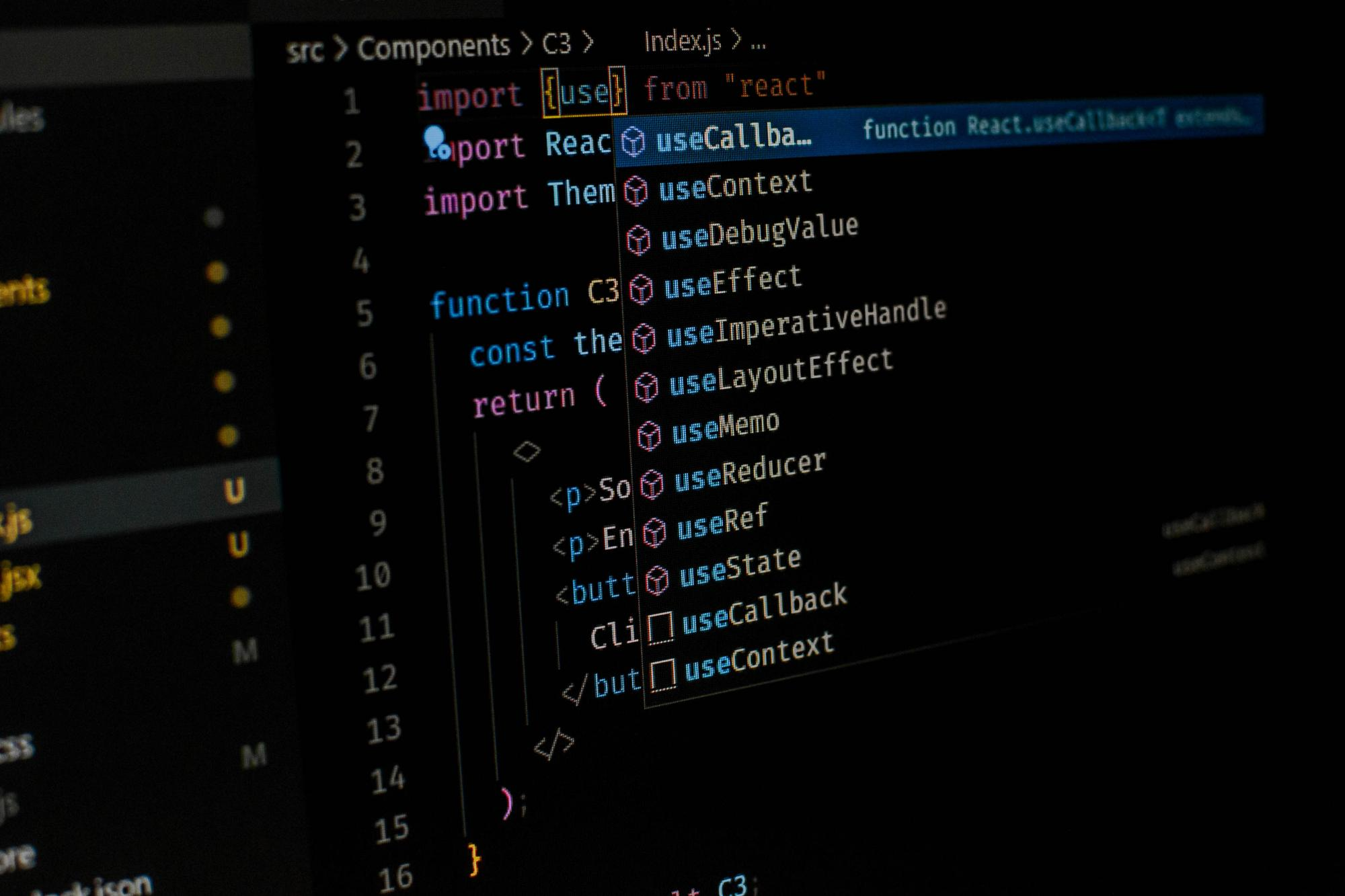
Frontend and Backend Languages Overview
Choosing the right frontend and backend languages is a key part of successful software development.
Frontend languages are primarily used to design and structure what users see. These include:
HTML for content structure
CSS for styling and layout
JavaScript for interactivity
Backend languages, on the other hand, manage logic and data. Common examples include:
Java for enterprise applications
Python for flexibility and rapid development
PHP for web-based systems
Node.js for JavaScript-based backend solutions
When discussing front end and back end languages, it is important to recognise that each serves a distinct purpose. Frontend tools prioritise presentation and usability, while backend tools focus on performance and data handling.
A good example is the World Wide Web Consortium, which defines core web standards such as HTML and CSS, ensuring that frontend and backend technologies remain consistent and compatible across browsers and devices.
Some technologies, such as JavaScript, bridge the gap between backend and frontend languages, allowing developers to work across both layers of an application.
Real Examples in Web App Development
To fully understand frontend and backend, it helps to look at how they function in real scenarios within web app development.
Consider an online shopping platform. The frontend includes product listings, images, and checkout forms. The backend handles inventory, payment processing, and order management.
In a social media platform, the frontend displays posts, profiles, and messaging interfaces. The backend manages user data, authentication, and notifications.
For a banking application, the frontend shows account details and transaction history. The backend ensures secure processing, fraud detection, and accurate data storage.
These examples highlight how frontend backend systems operate together to deliver seamless digital experiences.
As technology evolves, this collaboration becomes even more critical, especially when integrating modern approaches such as native development and scalable cloud-based systems.
How Frontend and Backend Work Together in Real Projects
In modern web app development, the collaboration between frontend and backend teams determines the success of a project. While each side has distinct responsibilities, they must operate as a single system to deliver a seamless user experience.
When you explore frontend and backend in real-world workflows, you will notice a structured process that connects both layers efficiently.
Here is how the collaboration typically works:
The frontend sends a request
When a user clicks a button or submits a form, the frontend captures that action and sends a request to the backend.The backend processes the request
The backend receives the request, applies logic, interacts with the database, and determines the correct response.The backend returns data
After processing, the backend sends the required data back to the frontend.The frontend updates the interface
The frontend displays the updated data to the user in a clear and interactive way.
This cycle happens continuously in any frontend backend system. Whether you are browsing products or posting on social media, both layers are constantly communicating.
This approach is widely seen in tools like Node.js, which allows JavaScript to run on the server, making it possible for developers to handle both frontend and backend using the same language.
To ensure smooth integration between backend and frontend languages, developers often use APIs. These act as bridges that allow systems to exchange data in a structured way.
Career Paths in Frontend and Backend Development
If you are considering a career in software development, understanding the roles within front end and back end is essential. Each path requires different skills, tools, and interests.
Frontend Developer
A frontend developer focuses on user experience. Their work directly impacts how users perceive and interact with a product.
Key skills include:
Strong understanding of design and layout
Knowledge of HTML, CSS, and JavaScript
Experience with frameworks like Angular
Ability to optimise performance across devices
Frontend developers are ideal for those who enjoy visual problem solving and creating interactive interfaces.
Backend Developer
A backend developer focuses on system logic and data management. Their role ensures that applications function correctly and securely.
Key skills include:
Knowledge of server-side programming
Database management
API development
Security and performance optimisation
If you prefer working with logic, systems, and data, backend development may be the right path.
Full Stack Developer
Many professionals choose to work across both frontend and backend. These are known as full stack developers.
They:
Understand frontend and backend languages
Build complete applications
Handle both user interfaces and server logic
This role is increasingly valuable in today's fast-paced development environment.
Common Tools and Technologies Used Today
To better understand frontend and backend, it is important to explore the tools used in modern development.
Frontend Technologies
Frontend tools are designed to create engaging and responsive user interfaces.
Common technologies include:
HTML for structure
CSS for styling
JavaScript for interactivity
Frameworks and libraries help improve efficiency and scalability. For example, Angular is widely used for building structured applications, answering the question angular is frontend or backend with a clear frontend focus.
Backend Technologies
Backend tools focus on logic, databases, and system performance.
Popular backend technologies include:
Java for enterprise-level applications
Python for flexibility and speed
Node.js for JavaScript-based backend systems
When discussing java is backend or frontend, it is primarily a backend language used in complex systems.
These tools form the backbone of backend and frontend languages, enabling developers to build scalable and reliable applications.
Frontend and Backend in Native Development
While most discussions focus on web applications, native development also relies heavily on frontend and backend principles.
In native mobile apps:
The frontend includes the mobile interface and user interactions
The backend handles data, authentication, and server communication
For example, in a mobile banking app:
The frontend displays account details and transaction options
The backend processes transactions and ensures security
Even though the technologies differ, the core idea of front end and back end remains the same.

Choosing the Right Approach for Your Project
When planning a digital product, selecting the right balance between frontend and backend is crucial.
Here are key factors to consider:
Project requirements
A simple website may require minimal backend logic, while a complex platform needs robust backend systems.Scalability
Choose technologies that can handle future growth in users and data.Performance
Ensure both frontend and backend are optimised for speed and efficiency.Development resources
Decide whether you need specialised developers or a full stack software developer.Integration needs
Consider how your system will connect with third-party services and APIs.
By aligning your choices with your business goals, you can build a strong and scalable frontend backend system.
Bringing It All Together in Modern Software Development
The relationship between frontend and backend is at the core of every successful digital product. From simple websites to complex enterprise systems, both layers must work together to deliver reliable and engaging experiences.
Understanding what is frontend and backend helps you see how each component contributes to the overall system. Recognising the difference between frontend and backend allows you to plan projects more effectively and choose the right technologies.
As software development continues to evolve, the line between backend and frontend languages is becoming more flexible. Tools like JavaScript now operate across both layers, while frameworks simplify development processes.
Whether you are building a web platform, exploring a career as a backend developer, or investing in web app development, having a clear understanding of frontend and backend will give you a strong foundation.
If you are ready to build a scalable and user-focused digital solution, the team at Trinergy Digital can help you bring your ideas to life.